
How Regular Exercise Helps Control Blood Sugar Levels
Feeling overwhelmed by blood sugar numbers? You’re not alone. Many people struggle with managing their blood sugar, and it can feel like a constant battle. But what if I told you there’s a powerful, accessible tool that can make a huge difference?
It’s not a magic pill or a complicated diet. You can start doing it today: regular exercise to control blood sugar.
In this article, we’ll explore how moving your body can help combat high blood sugar. It makes it easier to live a healthier life. You’ll also feel more energetic. Stick around to discover the simple yet profound ways exercise can transform your health!
What is Blood Sugar and Why Does It Matter?
Blood sugar, also known as glucose, is the main source of energy for your body’s cells. It comes from the food you eat, especially carbohydrates. After you eat, your digestive system breaks down carbohydrates into glucose, which then enters your bloodstream.
Your body has a natural system to manage blood sugar levels, primarily involving a hormone called insulin. Insulin acts like a key, allowing glucose to move from your bloodstream into your cells for energy.
When this system doesn’t work perfectly, blood sugar levels can become too high (hyperglycemia) or too low (hypoglycemia). Consistently high blood sugar levels, a hallmark of conditions like diabetes, can lead to serious health problems over time, including:
- Heart disease
- Kidney damage
- Nerve damage
- Vision problems
That’s why keeping your blood sugar in a healthy range is so important for overall well-being.
The Powerful Link: Regular Exercise Control Blood Sugar
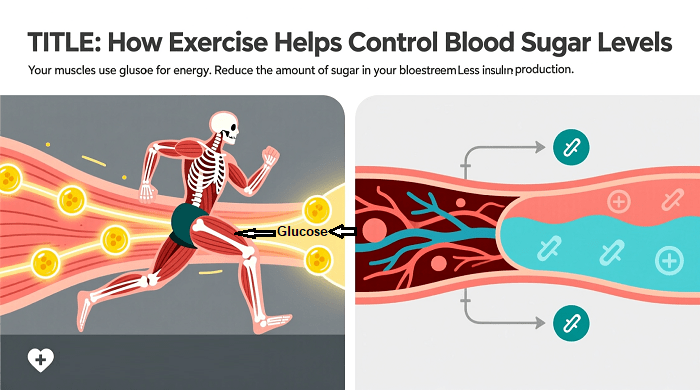
The connection between regular exercise control blood sugar is strong and well-established. When you exercise, your body uses glucose for energy, which helps lower blood sugar levels. But the benefits go beyond just immediate glucose uptake.
Here’s how exercise works its magic:
Your Muscles Become More Sensitive to Insulin
After a workout, your muscle cells become more receptive to insulin. This means insulin can do its job more effectively, helping glucose move from your blood into your muscles. This enhanced insulin sensitivity can last for hours, or even days, after you exercise. Think of it as making your body’s “key” (insulin) work much better with your “locks” (cells).
Muscles Use Up Glucose During Activity
During physical activity, your muscles need fuel. They tap into the glucose stored in your muscles and the glucose circulating in your bloodstream. This direct use of glucose helps to lower blood sugar levels naturally. The more intense or prolonged the exercise, the more glucose your muscles will use.
Exercise Helps with Weight Management
Excess body weight, particularly around the abdomen, is a major contributor to insulin resistance and high blood sugar. Regular physical activity burns calories. It also helps build muscle mass. Both are crucial for achieving and maintaining a healthy weight. Losing even a small amount of weight can significantly improve blood sugar control.
Long-Term Benefits for Blood Sugar Control
Consistent exercise doesn’t just help manage blood sugar on a given day; it leads to lasting improvements. Over time, regular physical activity can:
- Improve your overall cardiovascular health. This can reduce the risk of heart disease and stroke. These conditions are often linked to high blood sugar.
- Lower your A1C levels (a measure of average blood sugar over 2–3 months).
- Reduce your risk of developing type 2 diabetes.
What Kind of Exercise is Best?
The good news is you don’t need to become a marathon runner to see benefits. A combination of different types of exercise can be most effective:
Aerobic Exercise (Cardio)
This type of exercise gets your heart rate up and improves your cardiovascular health. It’s excellent for using glucose and improving insulin sensitivity.
- Examples: Brisk walking, jogging, cycling, swimming, dancing, aerobic classes.
- Recommendation: Aim for at least 150 minutes of moderate-intensity aerobic activity per week (e.g., 30 minutes, 5 days a week).
Strength Training (Resistance Training)
This involves working your muscles against resistance. It builds muscle mass, which is metabolically active and helps use glucose even when you’re at rest.
- Examples: Lifting weights, using resistance bands, bodyweight exercises (push-ups, squats).
- Recommendation: Aim for 2–3 sessions per week, working all major muscle groups.
Flexibility and Balance Exercises
These activities may not directly impact blood sugar as much as cardio or strength training. However, they are vital for overall mobility, injury prevention, and a better quality of life. This is especially true as you age.
- Examples: Yoga, Tai Chi, stretching.
Important Note: If you have diabetes or other health conditions, talk to your doctor before starting a new exercise program. It’s always best to get professional advice. They can help you create a safe and effective plan tailored to your needs.
When to Exercise
For people with diabetes, timing matters. Exercising after meals is particularly effective for lowering blood sugar. If you take insulin or certain diabetes medications, you should always check your blood sugar before exercise. Also, check your blood sugar after exercising to avoid hypoglycemia (low blood sugar).
Tips for Safe Exercise
- Monitor your blood sugar before and after workouts.
- Stay hydrated and carry a quick source of glucose, such as candy or juice.
- Wear comfortable shoes to protect your feet.
- Consult your doctor before starting a new exercise routine, especially if you have other medical conditions.
Long-Term Benefits
Consistent exercise doesn’t just lower blood sugar—it also:
- Reduces the risk of heart disease and stroke.
- Helps manage weight effectively.
- Boosts mood and reduces stress.
- Improves overall energy levels.
Quick Guide: Exercise and Blood Sugar
| Exercise Type | How it Helps Blood Sugar | Examples | Recommendation |
|---|---|---|---|
| Aerobic (Cardio) | Uses glucose for energy; improves insulin sensitivity | Walking, jogging, swimming, dancing | 150 mins/week (moderate intensity) |
| Strength Training | Builds muscle to use more glucose; boosts metabolism | Weights, resistance bands, bodyweight exercises | 2-3 sessions/week |
| Flexibility/Balance | Improves mobility, prevents injury; supports overall health | Yoga, Tai Chi, stretching | Incorporate regularly |
Summary
The link between regular exercise control blood sugar is undeniable and offers a powerful, natural way to manage your health. By engaging in consistent physical activity, your body becomes more efficient at using glucose. Your muscles become more sensitive to insulin. You can achieve and maintain a healthy weight.
Whether it’s a brisk walk, a dance class, or lifting weights, incorporating exercise into your life provides an effective strategy. It helps to keep your blood sugar levels in check. It also reduces your risk of long-term health complications.
Sources
- American Diabetes Association – Fitness and Diabetes
- CDC – Benefits of Physical Activity for Diabetes
- Harvard Health – Exercise and Blood Sugar
🔗 Connect with Helal Medical:
If you suspect that you may have symptoms, Helal Medical can help, offering quick, private, and convenient testing options. You may contact us here: Facebook page
This article provides general information. Always consult with a healthcare professional for personalized medical advice.
Discover more from Helal Medical Manila
Subscribe to get the latest posts sent to your email.

