
Impact of Hypertension – High Blood Pressure – on Our Health: A Complete Guide for Filipinos
Last Updated on 09/21/2026 by DrHelal, MD Medical Doctor with 50+ Years of Clinical Practice • [Read Full Author Bio & Credentials →]
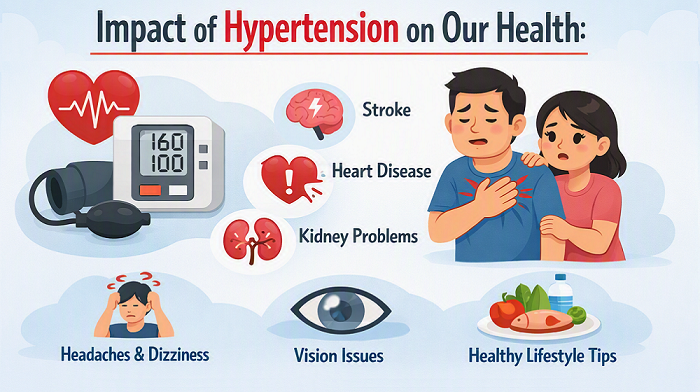
High blood pressure, also called hypertension, means the force of blood pushing against your artery walls is too strong. Most people feel no symptoms at all, so it is often called the silent killer. Yet the impact of hypertension on our health is deep and far-reaching, affecting nearly every part of the human body over time.
When pressure stays high year after year, it slowly strains and damages delicate blood vessels everywhere. It is like carrying a heavy load every single day — eventually something will break. Without warning signs, many Filipinos do not know they are at risk until serious illness appears.
This article explains exactly how hypertension harms your body from head to toe. We will look at the heart, kidneys, brain, eyes, bones, skin, and sexual health. Knowing these dangers helps you take action early — before permanent damage happens.
High Blood Pressure (Hypertension)
What is High Blood Pressure?
Blood pressure is the force of blood against artery walls. We express it as systolic pressure when the heart beats and diastolic is when the heart rests. Normal blood pressure is below 120/80 mmHg; we consider it High when it is 130/80 mmHg or higher.
| Blood Pressure Category | Systolic Pressure (Top Number) | Diastolic Pressure (Bottom Number) | Description |
|---|---|---|---|
| Normal Blood Pressure | Less than 120 mmHg | Less than 80 mmHg | Ideal [3]. |
| Elevated Blood Pressure | 120–129 mmHg | Less than 80 mmHg | Not yet considered hypertension [11]. |
| Stage 1 Hypertension | 130–139 mmHg | 80–89 mmHg | [15]. |
| Stage 2 Hypertension | 140 mmHg or higher | 90 mmHg or higher | [3]. |
| Hypertensive Crisis | Higher than 180 mmHg | Higher than 120 mmHg | Severe and dangerous blood pressure [3][22]. |
Risk Factors of Hypertension
Age, Family history, obesity – over-weight, are significant risk factor. Lifestyle factors including unhealthy diet, lack of exercise, smoking, alcohol consumption and stress also raise blood pressure. Read More about blood pressure: Blood Pressure: What Everyone in Philippines Should Know
How Hypertension Harms Your Body
| Body Part | What Hypertension Does | Key Risk |
|---|---|---|
| Heart | Thickens muscle, narrows arteries | Heart attack, heart failure |
| Kidneys | Destroys filtering vessels | Kidney failure, dialysis |
| Brain | Weakens vessels, blocks flow | Stroke, memory loss, dementia |
| Eyes | Damages tiny vessels in retina | Blurred vision, permanent blindness |
| Bones | Loses calcium, thins structure | Osteoporosis, easy fractures |
| Skin | Reduces blood flow, speeds aging | Wrinkles, poor wound healing |
| Sexual Health | Reduces blood flow to organs | Erectile dysfunction, reduced response |
Read more about:
Heart health
Kidney Health and Blood Pressure — How They Affect Each Other
Hypertension Guide: What It Is, Ranges, Measurement, Tests & Body Effects
Brain Health and Stroke Risk
Your brain depends on steady blood flow to carry oxygen and food to its cells. High blood pressure damages the small, thin arteries inside the brain. Over time, these vessels become narrow, weak, and easily blocked. If a vessel bursts or gets blocked, part of the brain dies — that is a stroke. It can paralyze your body, stop your speech, or take your life.
Even without stroke, hypertension silently harms brain function. Tiny areas of damage appear deep inside the brain. These small injuries add up and may cause memory loss, confusion, and difficulty thinking clearly. Studies show that people with long-term high blood pressure are more likely to develop dementia as they grow older.
Read more about: Brain Health and Stroke Risk
Vision and Eye Health
The eyes contain some of the smallest and most delicate blood vessels in the entire body. High pressure can damage these vessels just like it damages vessels elsewhere. When vessels inside the eye become twisted, swollen, or leak fluid, your vision becomes blurred. You may see wavy lines, dark spots, or lose parts of your sight.
This damage is called hypertensive retinopathy. At first, you may notice no change at all. But as damage continues, it can lead to permanent vision loss. An eye doctor can often see early signs of hypertension just by looking at the back of your eyes. That is why regular eye exams are important, even if you think you see perfectly.
Effects on Bone Health
You may not expect hypertension to affect your bones, but research shows it does. High blood pressure appears to change how your body handles calcium — the main mineral that makes bones strong. People with long-term hypertension tend to lose more calcium through urine. When calcium leaves the body faster than it is replaced, bones slowly become thinner and weaker.
Weaker bones are more likely to break from a simple fall or everyday movement. This condition is called osteoporosis. It is especially dangerous for older Filipinos. Hypertension also may interfere with the cells that build new bone. Keeping pressure under control helps protect your bones as you age.
Skin, Appearance, and Sexual Health
How Hypertension Affects Your Skin
Your skin needs steady blood flow to stay healthy, smooth, and young-looking. High blood pressure damages the tiny vessels that feed oxygen and nutrients to your skin. When blood flow is reduced, skin becomes thinner, drier, and less elastic. It may look dull, develop more wrinkles, and show signs of aging much earlier than normal.
Poor circulation also slows healing. If you get a scratch, cut, or sore, it takes longer to heal. In severe cases, especially combined with diabetes, poor blood flow can cause skin sores that never fully heal. Keeping blood pressure normal helps your skin receive the nourishment it needs to stay healthy and repair itself.
Read more about: High Blood Pressure Effect on Your Skin: You Look older!
Hypertension and Sexual Health
Good blood flow is essential for normal sexual function. Hypertension narrows and hardens arteries everywhere, including those that carry blood to sexual organs. In men, reduced blood flow to the penis makes it difficult to achieve or keep an erection. This condition is called erectile dysfunction, and it is often one of the first noticeable signs of blood vessel disease. Read More: Impact of Hypertension on Male Sexual Performance
In women, reduced blood flow can lower physical response and reduce comfort. Some medicines used to treat high blood pressure may also affect sexual function. Never be embarrassed to speak with your doctor about these concerns. Often, changing the type or dose of medicine can help both your pressure and your health.
The Pervasive Challenge of Hypertension in the Philippines
Hypertension is a significant public health concern in the Philippines. It affects a substantial portion of the adult population, contributing heavily to mortality and morbidity rates. The long-term effects of uncontrolled high blood pressure can be devastating. These effects lead to debilitating conditions that impact individuals, families, and the nation’s healthcare system.
The Scale of Hypertension in the Philippines
Hypertension in the Philippines is a widespread issue. Statistics consistently show a high prevalence rate among adults.
- A significant percentage of Filipino adults have hypertension.
- It tends to increase with age.
- It affects both men and women.
- Urban and rural populations may show varying rates due to different lifestyle and access to healthcare.
Impact on Public Health
- Leading cause of cardiovascular diseases. Heart attacks and strokes are strongly linked to uncontrolled hypertension.
- Kidney damage: High blood pressure is a primary cause of chronic kidney disease.
- Vision loss: It can damage blood vessels in the eyes.
- Economic burden: Increased healthcare costs, lost productivity, and disability.
Government-Led Management Strategies in the Philippines
The Philippine government implements various strategies to address hypertension in the Philippines. The Department of Health (DOH) and other agencies carry out these strategies.
Key Programs and Initiatives
- Philippine Package of Essential Non-communicable Disease (NCD) Interventions (PhilPEN): This strategy aims to detect hypertension and diabetes early. It focuses on identifying patients with these conditions quickly. It includes management and referral at the primary healthcare level. It emphasizes lifestyle modification and accessible medication.
- “DOH Ugnayan sa Batas” and “BIDA Solusyon”: These campaigns promote healthy lifestyles. They discourage smoking and unhealthy diets. They also encourage physical activity.
- Access to Essential Medicines: Ensuring the availability of affordable anti-hypertensive medications in public health facilities is a priority.
- Health Education and Promotion: Public awareness campaigns highlight the risks of hypertension and promote healthy habits through various media channels.
- Screening Programs: Encouraging regular blood pressure checks at health centers, workplaces, and community events.
Role of Primary Healthcare Facilities
Barangay Health Stations (BHS) and Rural Health Units (RHUs) are at the forefront of managing hypertension in the Philippines. They provide:
- Blood Pressure Monitoring: Regular checks for the community.
- Health Education: Counseling on diet, exercise, and lifestyle changes.
- Medication Access: Providing essential anti-hypertensive drugs.
- Referral System: Referring patients with complicated cases to higher-level hospitals.
Impact of Hypertension on Filipinos
The consequences of uncontrolled hypertension in the Philippines are far-reaching:
- Increased Morbidity: Higher rates of heart attacks, strokes, heart failure, and kidney disease.
- Reduced Quality of Life: Chronic complications can lead to disability and dependence.
- Economic Strain: High healthcare expenditures for treatment and management of complications.
- Lost Productivity: Premature deaths and disabilities impact the workforce.
Managing Hypertension: What Filipinos Can Do
While government strategies are vital, individual action is equally important in managing hypertension in the Philippines.
Lifestyle Modifications
- Adopt a Healthy Diet:
Reduce salt intake, limit processed foods, eat plenty of fruits and vegetables. The DASH (Dietary Approaches to Stop Hypertension) diet is highly recommended. - Regular Exercise:
Aim for at least 30 minutes of moderate-intensity physical activity most days of the week. - Maintain a Healthy Weight:
Losing even a small amount of weight can significantly lower blood pressure. - Quit Smoking:
This is one of the most impactful changes you can make. - Limit Alcohol:
If you drink, do so in moderation. - Manage Stress:
Find healthy ways to cope with stress.
Medical Adherence
- Regular Check-ups: .
- Take Medications as Prescribed by your doctor, take them consistently. And do not stop without consulting your doctor.
- Monitor Your Blood Pressure regularly.
Summary
The impact of hypertension on our health is truly widespread. It silently damages the heart, weakens the kidneys, endangers the brain, harms vision, thins bones, ages the skin, and affects sexual health. Because it causes no pain or warning signs in most cases, many Filipinos do not realize they are at risk until damage is already done.
The impact of hypertension on our health is preventable. You can protect yourself by knowing your numbers, eating less salt, staying active, maintaining a healthy weight, and taking prescribed medicine faithfully. Regular check-ups at your barangay health center or clinic are free or low-cost. Use them.
Do not underestimate the impact of hypertension on our health. It is not just “a number” — it is a measure of how well your whole body is being protected. Check your blood pressure today. Control it. And keep every part of you healthy for years to come.
References
- World Health Organization — Global Guidelines for Hypertension Control
- Department of Health Philippines — Clinical Practice Guidelines on Hypertension
- Centers for Disease Control and Prevention — High Blood Pressure Health Threats
- National Institutes of Health — How High Blood Pressure Affects the Body
- Philippine Health Insurance Corporation — Hypertension Outpatient Benefits
- Hypertension and Hypotension: Normal Range
- Hypertension: Early Detection and Prevention
- Laboratory Tests for Hypertension: The Most Commonly Requested
- Are Male Enhancement Pills Safe for Men with Hypertension?
- Hypertension guide what it is ranges measurement tests body effects
Connect with Helal Medical:
If you suspect that you may have symptoms, Helal Medical can help, offering quick, private, and convenient testing options. You may contact us here: Facebook page, Get Free medical consultation!
This article provides general information. Always consult with a healthcare professional for personalized medical advice.
Discover more from Helal Medical Manila
Subscribe to get the latest posts sent to your email.


