
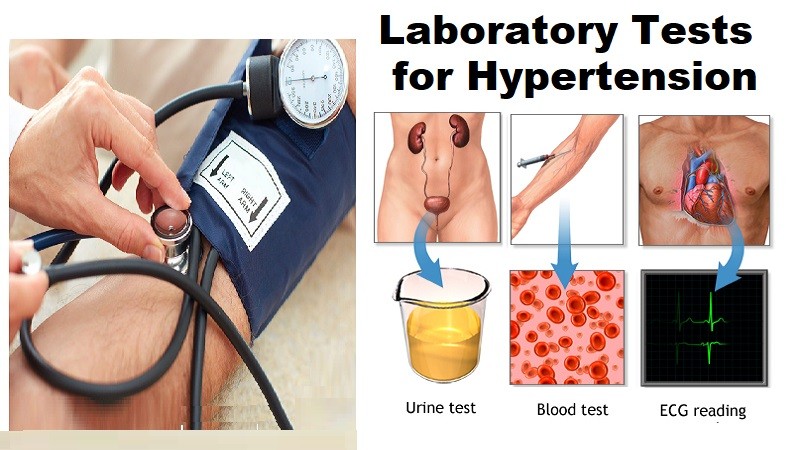
Laboratory Tests for Hypertension: The Most Commonly Requested
Last Updated on 02/26/2026 by Helal Medical
Laboratory tests play a crucial role in diagnosing and managing hypertension, as well as other health conditions. Hypertension is primarily diagnosed by measuring blood pressure. Lab tests give essential insights into potential underlying causes and can reveal associated risk factors.
In this article, we will explore the most commonly requested laboratory tests for hypertension. We will shed light on their significance in effective patient care.
Common Laboratory Tests for Hypertension
Hypertension laboratory tests are important for detecting causes of high blood pressure, its management and preventing complications. Hypertensive patients should get their blood pressure checked at least once a year. They should also get other hypertension laboratory tests as recommended by their doctor.
1- Complete Blood Count (CBC)
A CBC measures the levels of different blood cells, including red blood cells, white blood cells, and platelets. It can identify conditions such as anemia. It can also detect infections or other blood disorders. These issues might contribute to or be associated with hypertension. You may want to read our article: The Complete Blood Count (CBC): A Comprehensive Guide
2- Urinalysis (Urine Analysis)
This test examines a urine sample to check for various abnormalities. It includes checks for proteinuria, which is the presence of protein in the urine. It also includes checks for hematuria, or the presence of blood in the urine. These findings can indicate kidney problems, which are closely linked to hypertension. You may want to read our article: Full Urine Analysis (FUA) and its indications.
3- Basic Metabolic Panel (BMP)
This BMP evaluates various electrolytes, kidney function, and glucose levels in the blood. It helps assess the overall health of the kidneys and can detect imbalances that may be related to hypertension. It typically includes the following components:
- Electrolytes: Sodium, potassium, chloride, and bicarbonate levels.
- Glucose: This test measures blood sugar levels.
- Blood Urea Nitrogen (BUN) and Creatinine: It indicates kidney function and the body’s ability to eliminate waste products.
- Calcium: Measures the calcium levels, which are vital for bone health and various physiological processes.
Individuals with hypertension can manage their condition through laboratory tests. They can also adopt lifestyle changes such as a healthy diet, regular exercise, quitting smoking, and managing stress. Medications may also be prescribed by a healthcare provider to help control blood pressure.
SUMMARY
This article outlines the most commonly requested laboratory tests for hypertension. These tests include Complete Blood Count (CBC), Basic Metabolic Panel (BMP), Lipid Profile, and Urinalysis. Hypertension is diagnosed by measuring the blood pressure. While these tests do not diagnose hypertension, they provide valuable information in diagnosing and managing it. They also help identify any underlying conditions.
Do you have questions? You can drop a comment below. You can contact us here: Google page – Helal Medical, or Facebook page. We offer quick and convenient testing options.
Discover more from Helal Medical Manila
Subscribe to get the latest posts sent to your email.


