
Risk for Heart Disease: Don’t Let High Cholesterol Put You at Risk
Last Updated on 03/05/2026 by DrHelal
Heart disease is a leading cause of death in many countries. High cholesterol is a major risk factor for heart disease. Check regularly to know your cholesterol levels. So, you can take steps to keep them under control and protect your heart health.
In this article, we will explain what a lipid profile test is. We will outline the risk factors for heart disease. We will show how a lipid profile test can help you prevent heart disease. Finally, we will describe how you can lower your cholesterol levels.
What is a lipid profile test?
A lipid profile test is a blood test. It measures various components of your blood lipids, including total cholesterol, HDL cholesterol, LDL cholesterol, and triglycerides. These components are important indicators of your heart health. Your healthcare provider can use the results of your lipid profile test to assess your risk for heart disease.
Is high cholesterol a risk factor for heart disease?
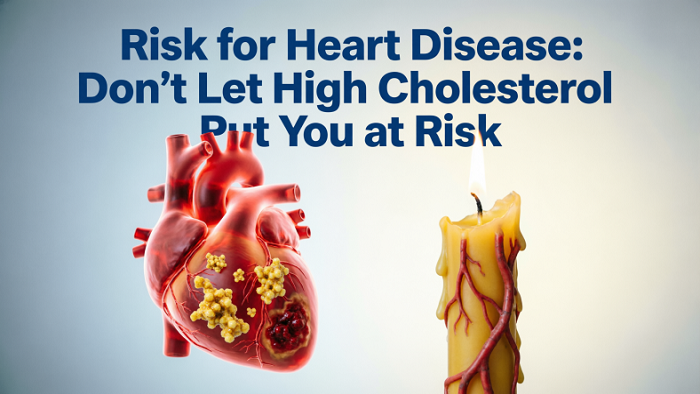
Cholesterol is a waxy substance that is found in your blood and in the cells of your body. It is essential for many bodily functions. However, having too much of it in your blood can start to build up in the walls of your arteries. This can lead to the formation of plaque, which can narrow your arteries and reduce blood flow to your heart. Over time, this can lead to a heart attack or stroke.
There are two types of cholesterol: HDL, or “good” cholesterol, and LDL, or “bad” cholesterol. HDL cholesterol helps remove excess cholesterol from your blood. LDL cholesterol can contribute to the buildup of plaque in your arteries. Triglycerides are another type of fat found in your blood that can also contribute to heart disease.
What are the risk factors for high cholesterol?
There are several risk factors that can increase your risk of high cholesterol, including:
- A family history of high cholesterol
- A diet that is high in saturated fat and cholesterol
- Being overweight or obese
- Lack of physical activity
- Smoking
- Age (cholesterol levels tend to increase as you get older)
- Certain medical conditions, such as diabetes, hypothyroidism, and kidney disease
How can a lipid profile test help prevent heart disease?
A lipid profile test can provide important information about your cholesterol levels and your risk for heart disease. Your healthcare provider can use the results of your lipid profile test. They calculate your cholesterol ratio, which is the ratio of your total cholesterol to your HDL cholesterol. A high cholesterol ratio is a strong indicator of your risk for heart disease.
Your healthcare provider can use the results of your lipid profile test. They can identify any other risk factors for heart disease that you may have. If your triglyceride levels are high, it may indicate that you need to change your diet. You should also adjust your lifestyle to reduce your risk for heart disease.
How can you lower your cholesterol levels?
To lower high cholesterol levels, there are several steps that you can take that include:
- Making dietary changes:
A diet that is low in saturated fat and cholesterol can help lower your cholesterol levels. Try to eat more fruits, vegetables, whole grains, and lean proteins, and limit your intake of high-fat foods. - Increasing physical activity:
Regular exercise can help lower your cholesterol levels and improve your overall heart health. Aim for at least 30 minutes of moderate-intensity exercise most days of the week. - Quitting smoking:
Smoking can raise your cholesterol levels and increase your risk for heart disease. If you smoke, talk to your healthcare provider about strategies to quit. - Taking medication:
If lifestyle changes are not enough to lower your cholesterol levels, your healthcare provider may suggest medication. This can help control your cholesterol levels.
SUMMARY
High cholesterol levels can put you at risk for heart disease and other health problems. A lipid profile test can help identify high cholesterol levels and help you take the necessary steps to manage them.
Lifestyle changes can significantly help improve cholesterol levels. Adopting a healthy diet and engaging in regular exercise are beneficial. Quitting smoking is crucial. Maintaining a healthy weight and managing stress are also important for overall heart health.
Remember, early detection is crucial. Managing high cholesterol levels early can greatly reduce the risk of heart disease. Improving overall health is also possible. So, get your lipid profile test done today and take the first step towards a healthier you.
If you suspect that you may have symptoms, Helal Medical can help, offering quick, private, and convenient testing options. You may contact us here: Facebook page.
Read More About Heart Disease:
- Heart Attack Prevention: Importance of a Lipid Profile Test
- Heart attack, can be spotted by a rapid low cost by blood test?
- Electrocardiogram (ECG): It’s Indications, and How to Read the Report
- Heart Health: How to Prevent Heart Disease Before It Starts
- Risk for Heart Disease: Don’t Let High Cholesterol Put You at Risk
Discover more from Helal Medical Manila
Subscribe to get the latest posts sent to your email.


