
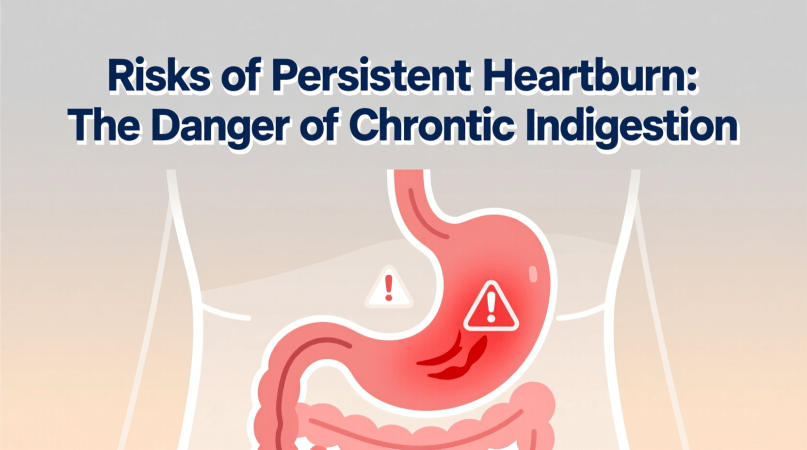
Risks of Persistent Heartburn: Understanding the Danger of Chronic Indigestion
Last Updated on 10/07/2026 by Helal Medical, MD Medical Doctor with 50+ Years of Clinical Practice • [Read Full Author Bio & Credentials →]
Heartburn and indigestion are common — many people in the Philippines feel a burning sensation in the chest or acid reflux after heavy or spicy meals. However, ignoring persistent heartburn and dismissing frequent indigestion as “normal” can carry serious health risks. When heartburn happens repeatedly (for weeks or months), it may signal underlying conditions that need medical attention. This article explains what can go wrong if persistent heartburn is left unchecked, what warning signs to watch for, and when you should consult a doctor.
What Causes Persistent Heartburn and Indigestion
Persistent heartburn often stems from a condition called Gastroesophageal Reflux Disease (GERD), where stomach acid frequently flows back into the esophagus because the muscle at the junction (lower esophageal sphincter) does not close properly. (Mayo Clinic)
Common triggers or risk factors include increased weight or obesity, large or fatty meals, frequent consumption of spicy/acidic food or drinks, smoking, lying down soon after eating, and even certain medications. (St. Luke’s Medical Center)
It’s one thing to get occasional heartburn — but when it becomes frequent (e.g. two or more times per week) or lasts for long periods, that’s a warning sign. (mygi.health)
What are the Risks If You Ignore Persistent Heartburn
1. Damage to Esophagus — Esophagitis, Ulcers, Scarring
When stomach acid repeatedly irritates the lining of the esophagus, it can cause inflammation (esophagitis), ulcers, or erosions. Over time, this may lead to formation of scar tissue and narrowing (stricture), making it hard or painful to swallow. (MSD Manuals)
2. Precancerous Changes — Barrett’s Esophagus
In some people, chronic acid damage changes the normal lining of the esophagus into a type more like intestinal tissue. This condition, Barrett’s esophagus, is considered precancerous — meaning it increases the risk of developing esophageal cancer over time. (St. Luke’s Medical Center)
3. Increased Risk of Esophageal Cancer
Longstanding, untreated acid reflux and GERD — especially when there’s Barrett’s esophagus — can raise the risk of esophageal cancer. (mygi.health)
4. Other Complications: Dental Damage, Respiratory Issues, Poor Quality of Life
- Acid reflux can reach the mouth, wearing down tooth enamel and causing cavities or dental problems. (WebMD)
- Stomach acid that reaches the throat or airways may trigger chronic cough, hoarseness, throat irritation, or worsen asthma. (Mayo Clinic)
- Frequent heartburn and indigestion also interfere with daily life: sleep disturbance, discomfort after meals, and reduced overall well-being. (Gaviscon Philippines)
Red-Flag Symptoms That Should Prompt a Doctor’s Visit
If you have persistent heartburn or indigestion with any of these symptoms along — do not ignore them:
- Difficulty swallowing (food feels stuck, pain when swallowing). (Mayo Clinic)
- Chronically sore throat, hoarseness, or persistent cough without other cause. (Mayo Clinic)
- Vomiting blood or black/tarry stool — signs of possible bleeding in the digestion tract. (WebMD)
- Unintended weight loss, loss of appetite, persistent nausea or vomiting. (Hello Doctor)
- Chest pain that’s severe or coming with shortness of breath — especially if you also have risk factors for heart disease (though chest pain can also mimic heartburn). (Mayo Clinic)
- Symptoms that persist despite over-the-counter antacids or remedies used more than twice per week. (North Raleigh Gastroenterology)
Frequent, recurring, or worsening symptoms should never be dismissed as just “normal indigestion.” They may mean deeper problems. (Persistent heartburn often stems from a condition called Gastroesophageal Reflux Disease (GERD), )
What You Should Do to Protect Yourself
✅ Pay attention to symptoms
If heartburn or acid indigestion occurs often — more than once a week — or lasts for weeks, keep a simple “symptom diary”: note when it happens, what you ate, what you felt, what relieved it. This helps your doctor.
✅ Adopt safer lifestyle habits
- Eat smaller meals instead of large heavy meals. (Risks of Persistent Heartburn: Danger of Chronic Indigestion )
- Avoid lying down immediately after eating; wait at least 2–3 hours. (Philstar.com)
- Reduce or avoid known triggers: fatty, fried, spicy, or highly acidic foods; coffee, alcohol, soda, smoking. (Loma Linda University Health)
- For persons with increased weight — modest weight loss may reduce reflux pressure. (St. Luke’s Medical Center)
✅ Seek professional medical evaluation if symptoms persist
Don’t rely too long on antacids or self-medication. If heartburn or indigestion recurs often, or doesn’t improve despite remedies, consult a doctor (preferably a gastroenterologist). A timely diagnostic procedure (like endoscopy) might be needed to check for complications such as esophagitis, ulcers, or precancerous changes. (St. Luke’s Medical Center)
Real-Life Consequences: Not Just Minor Discomfort
Many people dismiss heartburn as harmless — but research shows otherwise. Chronic reflux and untreated GERD can lead to serious, sometimes irreversible problems: painful swallowing, strictures (esophagus narrowing), bleeding, risk of cancer, asthma or chronic cough, and tooth decay. (CommonSpirit Health)
For Filipinos juggling busy daily life, heavy meals, and stress — ignoring persistent heartburn can silently harm long-term health. What starts as “normal indigestion after heavy lunch” could eventually become a dangerous chronic disease.
Summary
Ignoring persistent heartburn and frequent indigestion is risky. The risks persistent heartburn include inflammation of the esophagus, ulcers, scarring, precancerous changes (Barrett’s Esophagus), even esophageal cancer — as well as dental decay, breathing and throat problems, and reduced quality of life. Recurring symptoms such as difficulty swallowing, unintended weight loss, persistent cough or hoarseness, vomiting blood, or chest pain should never be ignored. If you experience these — or if your heartburn happens often (2+ times a week) — consult a doctor. Simple lifestyle changes help, but professional evaluation and timely treatment are the keys. Protect your digestive health before small discomfort turns into serious disease.
💬 Chat with Us:
You can easily reach Helal Medical via WhatsApp (+63 966 974 1609), Facebook Messenger, or by clicking the chat icon at the lower right corner of our website HelalMedical.com.
Discover more from Helal Medical Manila
Subscribe to get the latest posts sent to your email.


