
Unraveling the Shingles Chickenpox Connection: What Filipinos Need to Know
Have you ever wondered about the mysterious link between chickenpox and shingles? Many people know chickenpox as a common childhood illness, but fewer understand its lifelong connection to shingles. This connection helps us understand why shingles occurs.
Does the virus causing your childhood chickenpox truly leaves your body. Never, it lies dormant for decades before potentially reactivating as shingles. Understanding this connection is key to preventing a painful shingles outbreak later in life!
In this article, we will explore shingles-chickenpox connection. and explain how the virus behaves. We will look at the symptoms of both illnesses. Finally, we will present the prevention strategies available to Filipinos. Stay with us as we unravel this important connection.
Introduction: The Virus Within
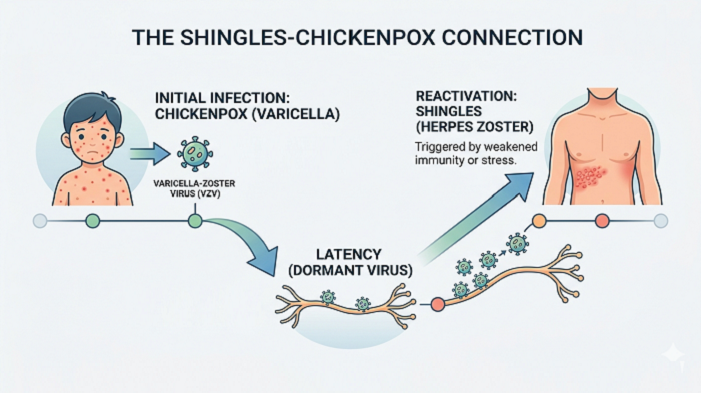
Chickenpox, caused by the varicella-zoster virus (VZV), is a highly contagious disease that most people contract in childhood. It typically causes an itchy, blistering rash. While the initial infection usually resolves within a couple of weeks, the VZV doesn’t disappear entirely. It remains dormant in the nerve tissues near your spinal cord and brain. Years, or even decades, later, the virus can reactivate, leading to shingles.
I’m dr. Farid Helal from Helal Medical in Manila, Philippines. I stress the importance of understanding this shingles-chickenpox connection for prevention and early detection. It is also essential for effective management of both conditions. This is particularly important within the Philippine context where VZV is widespread.
The Varicella-Zoster Virus (VZV): A Lifelong Resident
The story of shingles begins with chickenpox and may not have and ending!
Chickenpox: The Primary Infection
- Transmission: VZV spreads easily through respiratory droplets or direct contact with the rash of an infected person.
- Symptoms: Fever, fatigue, headache, and a characteristic itchy rash that progresses from red bumps to fluid-filled blisters, eventually crusting over.
- Immunity: After recovery, the body develops immunity to VZV, meaning you typically only get chickenpox once. However, the virus itself doesn’t leave the body.
Dormancy: The Virus Hides
- Latency:
Following the chickenpox infection, VZV moves along nerve pathways. It travels to nerve ganglia, which are clusters of nerve cells, near the spinal cord or brain. Here, it lies dormant, or latent, meaning it’s inactive and doesn’t cause symptoms. - Lifelong Presence:
The virus remains in these nerve cells for the rest of your life, usually without causing any problems.
Shingles: The Reactivation
Shingles, also known as herpes zoster, occurs when the dormant VZV reactivates.
Why Does VZV Reactivate?
The exact trigger for VZV reactivation isn’t always clear, but it’s often associated with a weakened immune system. Factors that can compromise immunity include:
- Aging:
The immune system naturally weakens with age, making reactivation more likely, typically after age 50. - Stress:
Significant physical or emotional stress can impact immune function. - Illness That weaken immine system: (like HIV/AIDS) or treatments like chemotherapy or immunosuppressive medications.
- Certain Medications that suppress the immune system increase the risk.
Symptoms of Shingles
When VZV reactivates, it travels along the nerve pathways from the ganglion to the skin, causing inflammation and pain.
- Pain:
Often the first symptom; described as burning, tingling, shooting, or stabbing pain. This occurs in a specific area, usually on one side of the body or face. This pain can precede the rash by several days. - Rash:
A red, blistering rash typically appears a few days after the pain starts. It usually follows a nerve pathway. It forms a band or strip (known as a dermatome) on one side of the body. - Other Symptoms:
Fever, headache, fatigue, and sensitivity to touch may also occur. - Postherpetic Neuralgia (PHN):
In some cases, the pain from shingles can persist for months. It can even last for years after the rash has healed. This is known as PHN and is more common in older adults.
The Shingles-Chickenpox Connection Explained
The link is direct: you must have had chickenpox to get shingles.
- Chickenpox is the primary infection with VZV.
- Shingles is the reactivation of that same VZV infection.
If you never had chickenpox (or were never vaccinated against it), you cannot get shingles. However, if you have shingles, you can transmit the VZV to someone who has never had chickenpox. This can cause them to develop chickenpox.
Prevention Strategies for Filipinos
Understanding the shingles-chickenpox connection allows for targeted prevention.
1. Chickenpox Vaccination
- Childhood Vaccination:
The varicella vaccine is highly effective in preventing chickenpox. Administered in childhood, it significantly reduces the risk of primary VZV infection. - Catch-up Vaccination:
If you missed the vaccine as a child, it can be given later in life.
2. Shingles Vaccination (Zostavax and Shingrix)
Vaccination is the most effective way to prevent shingles and its complications.
- Zostavax: An older shingles vaccine, still used in some regions.
- Shingrix: A newer, more effective shingles vaccine recommended by many health authorities. It is given in two doses and is highly effective at preventing shingles and PHN.
Recommendation: Adults aged 50 and older should definitely get the shingles vaccine. This is important even if they’ve had chickenpox or shingles before.
3. Strengthening Immune Health
While not a direct prevention against reactivation, maintaining a strong immune system can help keep the virus dormant.
- Healthy Diet: Rich in fruits, vegetables, and whole grains.
- Regular Exercise: Promotes overall health and immune function.
- Adequate Sleep: Crucial for immune system recovery.
- Stress Management: Chronic stress can weaken immunity.
Managing Shingles if it Occurs
If you develop shingles, prompt treatment is essential.
- Antiviral Medications:
Medications like acyclovir, valacyclovir, and famciclovir can shorten the duration and severity of the illness. They reduce the risk of PHN, especially if started within 72 hours of the rash appearing. - Pain Management:
Over-the-counter pain relievers or prescription medications may be needed to manage shingles pain. Topical creams can also provide relief. - Rash Care:
Keeping the rash clean and dry can help prevent secondary bacterial infections.
Conclusion: Breaking the Cycle of Reactivation
The shingles-chickenpox connection is a fascinating aspect of virology and human health. Chickenpox infection leaves a lifelong viral presence in the body, which can reactivate years later as shingles, particularly when the immune system weakens. For Filipinos, understanding this link is paramount for prevention.
In this article, we’ve detailed how VZV behaves, the symptoms of chickenpox and shingles, and the critical role of vaccination in preventing both primary infection and reactivation. By getting vaccinated against chickenpox in childhood and considering the shingles vaccine as recommended, individuals can significantly reduce their risk of experiencing this painful condition. If shingles does occur, prompt medical attention is key.
Trusted Sources:
Global Sources:
- World Health Organization (WHO) – Varicella-zoster virus: https://www.who.int/news-room/fact-sheets/detail/varicella-zoster-virus – Provides comprehensive information on VZV, chickenpox, and shingles.
- Centers for Disease Control and Prevention (CDC) – Shingles (Herpes Zoster): https://www.cdc.gov/shingles/index.html – Offers detailed information on shingles, its causes, symptoms, prevention, and treatment.
- Filipino Sources: Department of Health (DOH) Philippines. The DOH provides national health guidelines and information on vaccine-preventable diseases, including chickenpox and shingles.various health cond
If you suspect that you may have symptoms, Helal Medical can help, offering quick, private, and convenient testing options. You may contact us here: Facebook page
🔗 Connect with Helal Medical:
- Facebook: https://facebook.com/helalmedical
- Clinic & Lab (Manila): https://g.page/helalmedical
This article provides general information. Always consult with a healthcare professional for personalized medical advice.
Discover more from Helal Medical Manila
Subscribe to get the latest posts sent to your email.
