
Hiatal Hernia and Gastroesophageal Reflux Disease: The Connection
Last Updated on 08/03/2026 by DrHelal, MD Medical Doctor with 50+ Years of Clinical Practice • [Read Full Author Bio & Credentials →]
A hiatal hernia is a common condition. It affects the upper stomach. It can lead to gastroesophageal reflux disease (GERD). Understanding the link is crucial. Knowing hiatal hernia gastroesophageal disease connections is key. It helps manage symptoms effectively.
Heartburn could be more than just a minor annoyance. It could be a sign of a hidden condition affecting your digestive health! Keep reading to unlock the secrets to a comfortable and healthy gut.
In this article, we will explore the relationship hiatal hernia and gastroesophageal disease connections. We will also discuss management strategies. The goal is to empower you with knowledge.
Understanding Hiatal Hernia
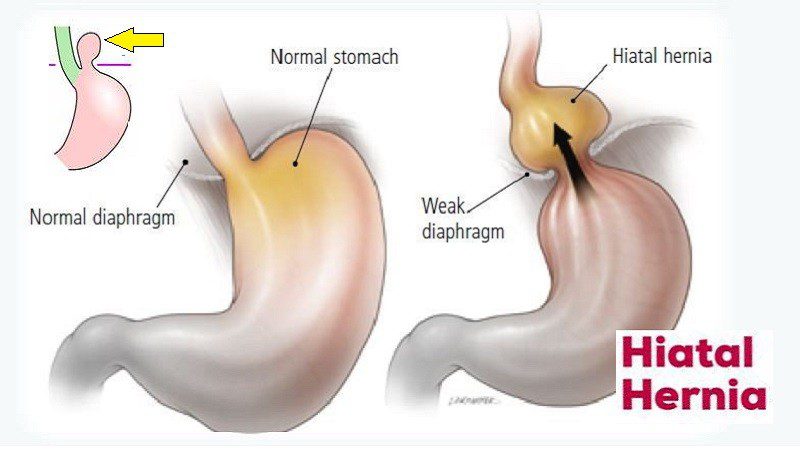
A hiatal hernia occurs when part of the stomach. It pushes up through the diaphragm. The diaphragm separates the chest from the abdomen. This opening is called the hiatus.
Types of Hiatal Hernia
- Sliding Hiatal Hernia: This is the most common type. The stomach slides up and down. It slides through the hiatus.
- Paraesophageal Hiatal Hernia: Part of the stomach squeezes. It squeezes next to the esophagus. This type is less common.
Causes of Hiatal Hernia
- Weakened diaphragm muscles are a cause.
- Age-related changes contribute.
- Increased abdominal pressure is a factor.
- Obesity and pregnancy increase pressure.
- Heavy lifting also contributes.
Understanding Gastroesophageal Reflux Disease (GERD)
GERD is a chronic digestive disease. Stomach acid flows back into the esophagus. This causes irritation and heartburn.
Symptoms of GERD
- Heartburn is the most common symptom.
- Regurgitation of food or acid occurs.
- Chest pain is also possible.
- Difficulty swallowing can develop.
- Chronic cough and sore throat are signs.
Causes of GERD
- Weak lower esophageal sphincter (LES) is key.
- The LES normally prevents acid reflux.
- Hiatal hernia contributes to GERD.
- Delayed stomach emptying is a factor.
- Obesity and smoking worsen GERD.
The Connection: Hiatal Hernia and GERD
Hiatal hernia weakens the LES. This increases acid reflux. The stomach’s position changes. This makes it easier for acid to flow back.
How Hiatal Hernia Contributes to GERD
- It disrupts the LES function.
- It alters the angle of the esophagus.
- It increases acid exposure to the esophagus.
- It impairs esophageal clearance.
Risk Factors
- Obesity increases risk.
- Smoking worsens symptoms.
- Certain foods trigger reflux.
- Large meals also contribute.
Managing Hiatal Hernia and GERD
Management involves lifestyle changes. Medications also help. Surgery is an option in severe cases.
Lifestyle Changes
- Maintain a healthy weight.
- Avoid trigger foods.
- Eat smaller, more frequent meals.
- Elevate the head of the bed.
- Quit smoking.
- Limit alcohol and caffeine.
Medications
- Antacids neutralize stomach acid.
- H2 blockers reduce acid production.
- Proton pump inhibitors (PPIs) are stronger.
- They block acid production effectively.
Surgery
- Fundoplication strengthens the LES.
- Hiatal hernia repair corrects the hernia.
- Surgery is reserved for severe cases.
The Prostate Gland Connection
While seemingly unrelated, overall health matters. Managing stress is crucial. The article mentions stress and ED. Chronic stress impacts the body. This includes the digestive system. A healthy lifestyle supports all systems. The prostate gland benefits from this.
The Impact of Stress
The article “Can Stress Cause Erectile Dysfunction” is relevant. Stress affects digestion. It can worsen GERD symptoms. Managing stress is very important.
Managing Stress
- Practice relaxation techniques.
- Try meditation and yoga.
- Seek support from friends and family.
- Maintain a healthy lifestyle.
Dietary Considerations
Diet plays a crucial role in managing GERD.
Foods to Avoid
- Fatty and fried foods.
- Citrus fruits and tomatoes.
- Chocolate and caffeine.
- Peppermint and spearmint.
- Carbonated beverages.
Foods to Include
- Lean protein sources.
- Non-citrus fruits.
- Vegetables.
- Whole grains.
The Importance of Sleep
Sleep affects digestion and reflux.
Improving Sleep
- Elevate the head of the bed.
- Avoid eating before bed.
- Establish a regular sleep schedule.
- Create a relaxing bedtime routine.
Seeking Medical Advice
Consult a doctor for diagnosis and treatment.
When to See a Doctor
- Persistent heartburn.
- Difficulty swallowing.
- Chest pain.
- Weight loss.
- Bleeding.
Diagnostic Tests
- Endoscopy examines the esophagus.
- Esophageal manometry measures LES function.
- pH monitoring measures acid levels.
Trusted Sources
Here are some trusted sources for information.
- National Institute of Diabetes and Digestive and Kidney Diseases (NIDDK).
- Mayo Clinic.
- American College of Gastroenterology (ACG).
Conclusion: Taking Control of Your Health
Understanding hiatal hernia gastroesophageal disease connections is key. Lifestyle changes and medications help manage symptoms. Surgery is an option in severe cases. Consult a doctor for diagnosis and treatment. Take control of your health today. Knowledge empowers you to manage GERD. A healthy lifestyle supports digestive health.
Trusted Sources:
- National Institute of Diabetes and Digestive and Kidney Diseases (NIDDK): https://www.niddk.nih.gov/
- Mayo Clinic: https://www.mayoclinic.org/
- American College of Gastroenterology (ACG): [https://gi.org/
🔗 Connect with Helal Medical:
If you suspect that you may have symptoms, Helal Medical can help, offering quick, private, and convenient testing options. You may contact us here: Facebook page, Get Free medical consultation!
This article provides general information. Always consult with a healthcare professional for personalized medical advice.
Discover more from Helal Medical Manila
Subscribe to get the latest posts sent to your email.


