
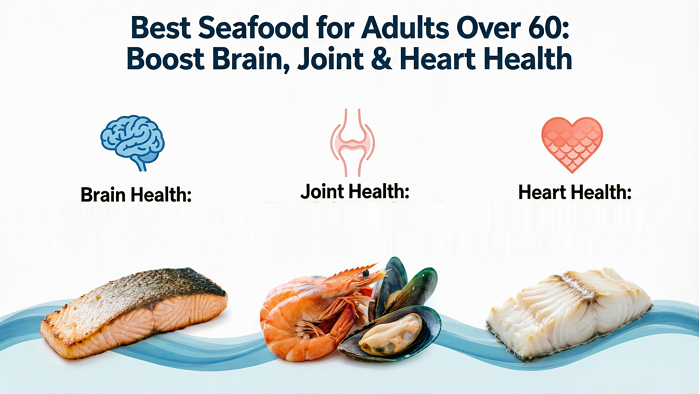
The Best Seafood for Adults Over 60: Boost Your Brain, Joints, and Heart Health!
Last Updated on 09/05/2026 by DrHelal, MD Medical Doctor with 50+ Years of Clinical Practice • [Read Full Author Bio & Credentials →]
Feeling like you want to stay sharp, active, and healthy as you get older? You’re not alone! Many adults over 60 are looking for simple, effective ways to support their well-being.
A delicious and easy addition to your diet could make a big difference. We’re talking about seafood for adults over 60! The right fish can boost your memory. It keeps your joints happy and your heart strong. Keep reading to discover which seafood choices are best for you and why they work wonders!
In tyis article I will explain why seafood is a superfood for seniors, and the best seafood choices. I will also show you how to prepare the seafood for maximum benefits.
Why Seafood is a Superfood for Seniors
As we age, our bodies change, and so do our nutritional needs. Around age 60 and beyond, maintaining brain function, keeping joints flexible, and protecting heart health become top priorities. This is where seafood shines! It’s packed with nutrients that are particularly beneficial for older adults.
Brain Health: Keeping Your Mind Sharp
The brain relies heavily on fats. Omega-3 fatty acids, abundant in many types of fish, are essential for cognitive function. These fats help build brain cell membranes and have anti-inflammatory properties that can protect brain tissue.
- Omega-3s and Memory:
Studies suggest that regular consumption of omega-3 rich fish can help slow cognitive decline and improve memory. They play a role in neurotransmitter function, which is crucial for learning and recall. - Reducing Brain Inflammation:
Chronic inflammation is linked to age-related cognitive issues. The anti-inflammatory effects of omega-3s can help combat this, supporting overall brain health.
Joint Function: Staying Mobile and Pain-Free
Joint pain and stiffness can limit mobility and reduce quality of life. Fortunately, certain types of seafood can help!
- Anti-Inflammatory Power:
The omega-3 fatty acids in fish, especially EPA and DHA, are potent anti-inflammatories. This can significantly reduce joint pain and stiffness associated with conditions like arthritis. - Nutrient for Bone Health:
Some fish, like salmon and sardines, are good sources of Vitamin D and calcium. These nutrients are vital for maintaining strong bones. They also help in preventing osteoporosis.
Heart Health: Protecting Your Cardiovascular System
Heart disease is a major concern for adults over 60. Seafood offers several advantages for cardiovascular well-being.
- Lowering Blood Pressure: Omega-3s can help lower blood pressure, a key factor in preventing heart disease and stroke.
- Reducing Triglycerides: High triglyceride levels are a risk factor for heart disease. Fish oils are known to effectively reduce these levels.
- Preventing Blood Clots: Omega-3s can make blood platelets less sticky, reducing the risk of dangerous blood clots.
- Lean Protein: Fish is an excellent source of lean protein. It is important for maintaining muscle mass and overall health. It does this without adding excess saturated fat.
The Best Seafood Choices for Adults Over 60
When choosing seafood for adults over 60, it’s best to focus on fish that are rich in omega-3 fatty acids. Select fish that provide lean protein and other essential vitamins and minerals. Be mindful of mercury content.
1. Salmon
Salmon is often hailed as the king of healthy fish for a reason. It’s incredibly rich in omega-3 fatty acids (EPA and DHA), Vitamin D, and selenium.
- Brain Boost: High omega-3 content supports memory and cognitive function.
- Joint Relief: Its powerful anti-inflammatory properties can ease arthritis pain.
- Heart Protector: Excellent for lowering blood pressure and triglycerides.
- Tip: Opt for wild-caught salmon when possible. It generally has a better omega-3 to omega-6 ratio. It also has a lower environmental impact. Aim for at least two servings per week.
2. Sardines
Don’t let their small size fool you! Sardines are nutritional powerhouses, packed with omega-3s, calcium (if you eat the bones), Vitamin D, and protein. They are also low in mercury because they are small, short-lived fish.
- Bone Strength: The edible bones provide a significant calcium boost.
- Heart and Brain: Excellent source of omega-3s for cardiovascular and cognitive health.
- Affordable and Versatile: Enjoy them on whole-wheat toast, in salads, or mashed with lemon.
3. Mackerel
Atlantic mackerel is another fantastic source of omega-3 fatty acids. Like sardines, it’s a smaller fish, meaning it typically contains less mercury than larger predatory fish.
- Omega-3 Rich: Provides substantial amounts of EPA and DHA.
- Nutrient Dense: Also contains Vitamin D and selenium.
- Tip: Choose Atlantic mackerel over King mackerel, which can be higher in mercury.
4. Herring
Herring is a small, oily fish that’s loaded with omega-3s, Vitamin D, and calcium. It’s one of the most sustainable and affordable options available.
- Heart and Brain Health: High omega-3 content offers significant benefits.
- Bone Support: Good source of calcium.
5. Anchovies
These tiny fish pack a mighty punch! Anchovies are rich in omega-3s, calcium, and protein. They are also very low in mercury.
- Flavorful and Nutritious: Add a savory kick to dishes while boosting nutrient intake.
- Easy to Incorporate: Use them in sauces, dressings, or on pizzas.
Fish to Enjoy in Moderation (Lower Mercury Options)
The fish above are excellent choices. Other fish can also be beneficial if you consume them in moderation due to their mercury content. These include:
- Tuna (Light, canned): A good source of omega-3s and protein. Choose “light” tuna over albacore, which has higher mercury levels.
- Cod: A lean white fish, lower in omega-3s but still a good source of protein and B vitamins.
- Trout (Rainbow): Another good source of omega-3s and Vitamin D.
Understanding Mercury in Fish
Mercury is a heavy metal that can accumulate in fish. For adults over 60, consuming fish with high mercury levels too often can pose a risk to the nervous system. The FDA and EPA provide guidelines:
- Best Choices (Low Mercury): Salmon, sardines, anchovies, herring, mackerel (Atlantic), trout (rainbow), tuna (light, canned). Aim for 2-3 servings per week.
- Good Choices (Moderate Mercury): Tuna (albacore/white), halibut, snapper. Limit to 1 serving per week.
- Choices to Avoid (High Mercury): Shark, swordfish, king mackerel, tilefish. These should be avoided by everyone, especially older adults.
How to Prepare Seafood for Maximum Benefit
The way you prepare your seafood matters! Opt for healthier cooking methods that preserve nutrients and avoid adding unhealthy fats or sodium.
- Baking/Roasting: Excellent for fish like salmon, trout, and cod.
- Grilling/Broiling: Great for most fish, adding a nice char without much fat.
- Steaming: A gentle method that preserves delicate flavors and nutrients.
- Poaching: Cooking fish in liquid (like water, broth, or wine) keeps it moist and tender.
- Avoid: Deep-frying, as it adds unhealthy fats and can degrade omega-3s. Limit added salt during cooking.
Table
| Benefit Area | Seafood Choices | Why It Helps |
|---|---|---|
| Brain Health | Salmon, Sardines, Mackerel, Herring, Anchovies | Omega-3s (EPA/DHA) for cognitive function and memory |
| Joint Health | Salmon, Sardines, Mackerel, Herring | Anti-inflammatory Omega-3s |
| Heart Health | Salmon, Sardines, Mackerel, Herring, Anchovies | Omega-3s lower blood pressure/triglycerides |
| Bone Health | Sardines (with bones), Salmon | Calcium and Vitamin D |
| Low Mercury | Sardines, Anchovies, Herring, Mackerel (Atlantic) | Small, short-lived fish accumulate less mercury |
Summary
Incorporating the right types of seafood for adults over 60 can significantly enhance brain health. It can also improve joint function and protect the heart. Focus on omega-3 rich, low-mercury options like salmon, sardines, mackerel, herring, and anchovies.
Choose healthier preparation methods. By doing this, you can harness the power of these nutritious foods. Make these delicious choices a regular part of your diet. This is a simple yet powerful step towards a healthier, more vibrant life after 60.
Learn More:
- American Heart Association: Omega-3 Fatty Acids and Heart Health
- National Institutes of Health (NIH): Omega-3 Fatty Acids Fact Sheet for Health Professionals
- FDA and EPA: Advice on Eating Fish
🔗 Connect with Helal Medical:
If you suspect that you may have symptoms, Helal Medical can help, offering quick, private, and convenient testing options. You may contact us here: Facebook page
This article provides general information. Always consult with a healthcare professional for personalized medical advice.
Discover more from Helal Medical Manila
Subscribe to get the latest posts sent to your email.


