
Understanding Hepatitis B Virus Transmission
Last Updated on 09/04/2026 by DrHelal, MD Medical Doctor with 50+ Years of Clinical Practice • [Read Full Author Bio & Credentials →]
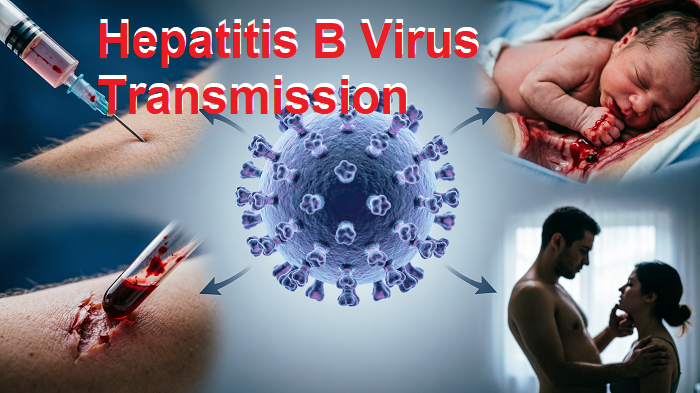
The Hepatitis B Virus (HBV) is highly infectious, understanding its transmission is the first step in protecting yourself. HBV is transmitted when blood or other infected body fluids enter a person’s body. These bodily fluids include blood, semen, and vaginal fluids.
The virus is particularly resilient and can survive outside the body for up to seven days. The virus does not spread through casual contact. So, you can’t get it from hugging, sharing food, or drinking from the same glass.
In this article, we will explore how Hepatitis B Virus (HBV) spreads through bodily fluids. We will cover the common transmission methods like birth, sex, and shared needles.
High-Risk Transmission Routes of HBV
Several specific routes are responsible for the vast majority of new infections.
1. Mother-to-Child Transmission at Birth
This is the most common route of spread globally. Transmission of Hepatitis B Virus can occur from the mother to the newborn during delivery. Without proper medical intervention, the baby is at a very high risk of developing chronic infection. This makes vaccination and other preventative measures for newborns critical. You can read more about the importance of newborn vaccination in our cornerstone article on the Virus.
2. Sexual Contact
HBV is classified as a sexually transmitted infection (STI). It passes easily through unprotected sexual contact with an infected partner. This transmission occurs when infected fluids like semen or vaginal secretions are exchanged. Using barrier methods, like condoms, can significantly reduce the risk of transmission.
3. Sharing Needles and Injection Equipment
The sharing of needles, syringes, or other drug preparation equipment is a very common method of transmission. Even trace amounts of infected blood can cause Hepatitis B Virus transmission. This practice puts people who inject drugs at an extremely high risk.
4. Accidental Exposure to Infected Blood
This route often affects healthcare workers through needlestick injuries. However, it can also happen through using unsterile equipment for tattoos or body piercings. The virus can enter the bloodstream through cuts, open sores, or mucous membranes. It is important to ensure all procedures use sterile, single-use equipment.
Prevention Through Awareness
Understanding the transmission wayss of the Hepatitis B Virus is essential for prevention. The most effective way to prevent infection is by getting the vaccine.
Vaccination is recommended for all people at risk of exposure. Awareness, safe practices, and vaccination are your best defense. For guidance on testing and risk, consult with your healthcare provider.
Was this “health article” helpful? Share! And subscribe to our website so you never miss new health article! Any concerns? Contact us at Helal Medical today.
Read More about Hepatitis B Virus!
🔗 Connect with Helal Medical:
At Helal Medical, we instruct those with diabetes in Philippines to follow healthy habits. We offer continuous care and education. 📍 Book your next Liver check-up or STDs Test today! Visit Helal Medical on Facebook or drop by our Manila clinic; we can help, offering quick, private, and convenient testing options. You may get Free medical consultation! @ Helal medical diagnostic and pharmacy!
This article provides general information. Always consult with a healthcare professional for personalized medical advice.
Discover more from Helal Medical Manila
Subscribe to get the latest posts sent to your email.


