
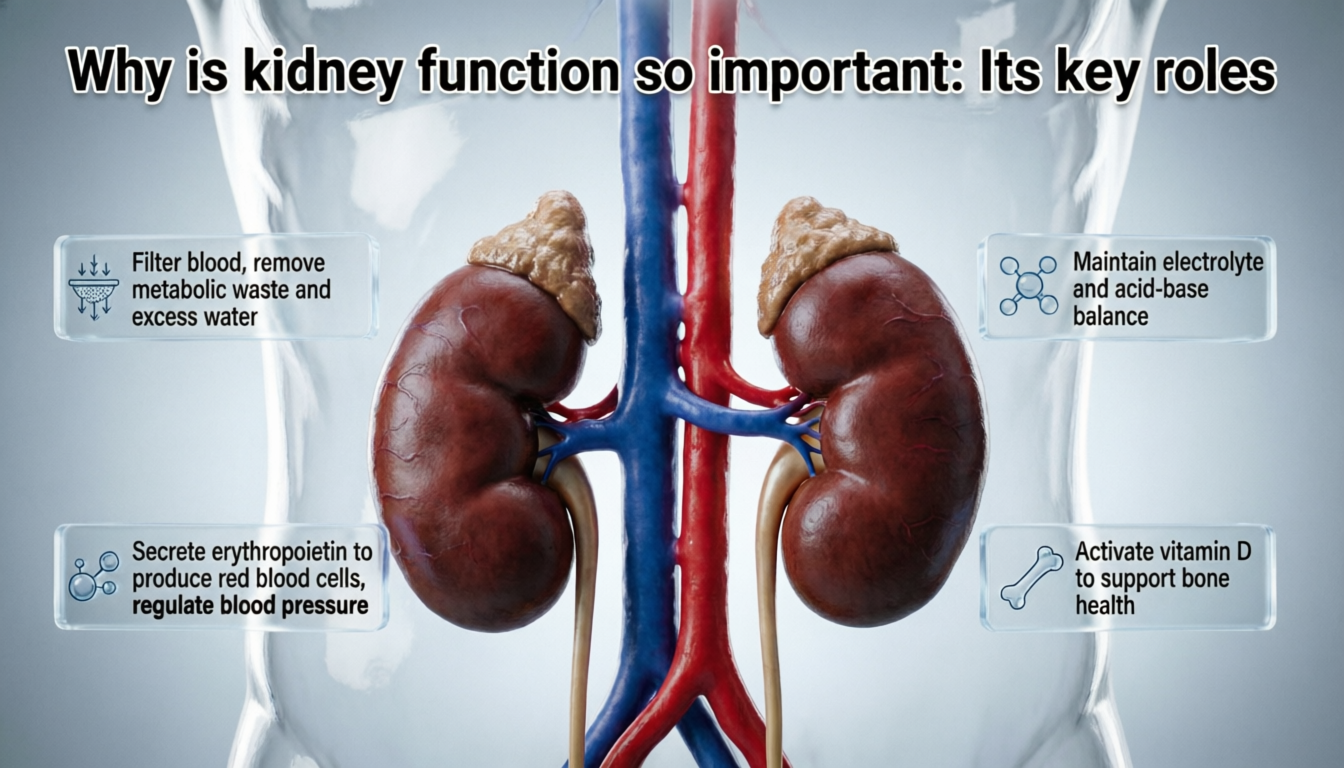
Why Kidneys Functions Are So Important: Their Vital Roles
Last Updated on 10/01/2026 by DrHelal, MD Medical Doctor with 50+ Years of Clinical Practice • [Read Full Author Bio & Credentials →]
Our bodies are complex systems, and each organ plays a critical role. Among these vital organs, the kidneys often work silently in the background, yet their importance cannot be overstated. They are the unsung heroes of our health, filtering waste and maintaining balance. But what exactly are the kidneys roles? Why are they so indispensable to our survival and well-being?
What if I told you that two small, bean-shaped organs are responsible for keeping your entire body clean and balanced? That without their constant work, toxins would build up, and your life could be in danger? Prepare to discover the incredible, life-sustaining functions of your kidneys.
In this article I will explore kidneys vital roles, the multifaceted functions and why they are so important for our overall health and well-being. I will also cover how to protect these vital organs.
The Kidneys
The kidneys are a pair of remarkable organs located on either side of your spine, below your ribs. Despite their relatively small size, they perform an astonishing number of essential functions. From filtering blood to regulating blood pressure, their work is constant and critical.
Understanding the kidneys roles helps us appreciate their significance and the importance of keeping them healthy.
The Primary Kidneys Roles: More Than Just Filters
While often thought of as simple filters, the kidneys roles are far more complex and vital. They act as sophisticated processing plants for our blood.
1. Waste Filtration and Toxin Removal
This is perhaps the most well-known function. The kidneys filter waste products from the blood. These wastes are primarily from normal metabolic processes. They include urea, uric acid, and creatinine. The kidneys remove these toxins and excess substances. They then excrete them from the body in urine. This prevents toxic buildup, which can be harmful or fatal.
2. Fluid And Electrolyte Balance Regulation
Our bodies need a precise balance of fluids. The kidneys control the amount of water in our body. They adjust urine output to maintain this balance. If you drink too much, your kidneys excrete more urine. If you are dehydrated, they conserve water. This is crucial for maintaining blood volume and pressure.
Electrolytes are minerals essential for nerve and muscle function. They also help maintain fluid balance and blood pH. Key electrolytes include sodium, potassium, calcium, and phosphate. The kidneys carefully regulate the levels of these electrolytes in the blood. They excrete excess amounts or reabsorb what is needed.
3. Blood Pressure Regulation
The kidneys play a significant role in maintaining healthy blood pressure. They do this in several ways:
- Fluid Volume Control: By regulating fluid balance, they influence blood volume, which directly affects blood pressure.
- Hormone Production: The kidneys produce hormones like renin. Renin helps control blood pressure through the renin-angiotensin-aldosterone system.
- Sodium Balance: They regulate sodium levels, which influences blood pressure.
4. Red Blood Cell Production
The kidneys produce a hormone called erythropoietin (EPO). EPO stimulates the bone marrow to produce red blood cells. When kidney function declines, EPO production decreases. This can lead to anemia, a condition where the body lacks enough healthy red blood cells.
5. Vitamin D Activation
The kidneys are involved in activating vitamin D. Activated vitamin D is essential for calcium absorption. This process is critical for maintaining strong bones and for overall health.
Why These Roles Are So Important
Each of these kidneys roles is interconnected and vital for maintaining homeostasis—the body’s stable internal environment.
Preventing Toxic Buildup
Without kidney filtration, waste products would accumulate in the blood. This leads to uremia, a severe condition that affects multiple organ systems.
1. Maintaining Fluid and Electrolyte Balance
Proper fluid and electrolyte balance is essential for:
- Nerve function
- Muscle contraction
- Heart rhythm
- Cellular processes
Imbalances can lead to serious health problems, including heart arrhythmias and seizures.
2. Supporting Cardiovascular Health
By regulating blood pressure and fluid balance, the kidneys protect the heart and blood vessels. Kidney disease is a major risk factor for heart disease.
3. Ensuring Bone Health
The kidneys’ role in activating vitamin D is crucial for calcium absorption. This prevents bone diseases like osteoporosis and rickets.
4. Maintaining Energy Levels
Adequate red blood cell production, stimulated by EPO from the kidneys, ensures oxygen delivery to tissues. This prevents fatigue and supports energy levels.
Factors Affecting Kidney Health
Medical Conditions:
Several key medical conditions stand out as major factors affecting kidney health. Diabetes ranks first, where persistently high blood sugar harms the delicate blood vessels within the kidneys, making it the leading cause of kidney disease. High blood pressure, when left uncontrolled, gradually damages these same vessels. Heart disease can limit proper blood flow reaching the kidneys, while autoimmune disorders such as lupus may directly attack and injure kidney tissues.
Lifestyle choices:
Lifestyle choices also play a critical role in determining long-term kidney function. Chronic dehydration limits the ability to effectively remove waste. A diet high in sodium raises blood pressure and places extra stress on kidneys.
Alcohol consumption damages tissue directly, while smoking harms blood vessels in kidneys as well as in the whole body. Medications, when overused—especially NSAIDs like ibuprofen—can cause significant harm.
Recognizing how medical conditions and daily habits contribute to risk allows early intervention and healthier choices. Managing chronic illnesses, staying hydrated, eating well, quitting smoking, and using medicines responsibly can help maintain proper kidney functions.
The Kidneys Roles in Relation to Other Organs and Systems
The kidneys roles are deeply integrated with other parts of the body.
The Heart and Kidneys Connection
There is a strong link between kidney health and heart health. Kidney disease can cause high blood pressure and fluid overload, straining the heart. Conversely, heart problems can reduce blood flow to the kidneys, impairing their function.
The Kidneys and Bone Health
As mentioned, the kidneys activate vitamin D, crucial for calcium absorption. Impaired kidney function can lead to bone problems.
The Kidneys and Blood
The kidneys’ production of EPO directly impacts blood health and oxygen transport.
Recognizing Signs of Kidney Problems
When kidneys roles are compromised, the body shows signs. Early detection is crucial.
Warning Signs of Kidney Disease
- Changes in urination (frequency, color, amount)
- Swelling in the legs, ankles, or feet (edema)
- Fatigue and low energy
- Shortness of breath
- Nausea and vomiting
- Persistent itching
- Muscle cramps
In this article, we stress the importance of consulting a doctor if you experience these symptoms.
Protecting Your Kidneys: Supporting Their Vital Roles
Taking care of your kidneys is essential for overall health.
Key Prevention Strategies
- Manage Blood Pressure: Keep blood pressure within a healthy range.
- Control Diabetes: Maintain stable blood sugar levels.
- Stay Hydrated: Drink plenty of water throughout the day.
- Eat a Healthy Diet: Reduce sodium, processed foods, and excessive protein.
- Limit NSAIDs: Use pain relievers cautiously.
- Quit Smoking: Protect your blood vessels.
- Moderate Alcohol: Avoid excessive consumption.
- Regular Checkups: Especially if you have risk factors.
Trusted sources like the National Kidney Foundation (https://www.kidney.org/) offer comprehensive advice on kidney health.
Conclusion: Appreciating the Kidneys Roles
The kidneys roles are fundamental to our health and survival. They are intricate organs that filter blood, regulate fluids and electrolytes, control blood pressure, produce red blood cells, and activate vitamin D. Their constant, silent work keeps our bodies balanced and free from toxins.
In this article, we have explored the vital kidneys roles and why their health is paramount. By understanding these functions and adopting preventive measures, we can protect these essential organs. Prioritizing kidney health is investing in your overall well-being and longevity.
Trusted Sources:
- National Kidney Foundation: https://www.kidney.org/ – A leading organization dedicated to kidney health.
- National Institute of Diabetes and Digestive and Kidney Diseases (NIDDK): https://www.niddk.nih.gov/health-information/kidney-disease – Provides comprehensive information on kidney diseases and their management.
- World Health Organization (WHO) – Kidney Diseases: https://www.who.int/news-room/fact-sheets/detail/kidney-diseases – Offers global perspectives on kidney health.
If you suspect that you may have symptoms, Helal Medical can help, offering quick, private, and convenient testing options. You may contact us here: Facebook page
Read More about Kidney Diseases:
- Kidney Function Test: Understanding Your Results
- Kidney Diseases, Types and Diagnosis
- The Importance of Regular Blood Tests for Early Detection
- Kidney Health and Blood Pressure — How They Affect Each Other
- Kidney Cancer: Unmasking the Stealthy Invader
Discover more from Helal Medical Manila
Subscribe to get the latest posts sent to your email.


