
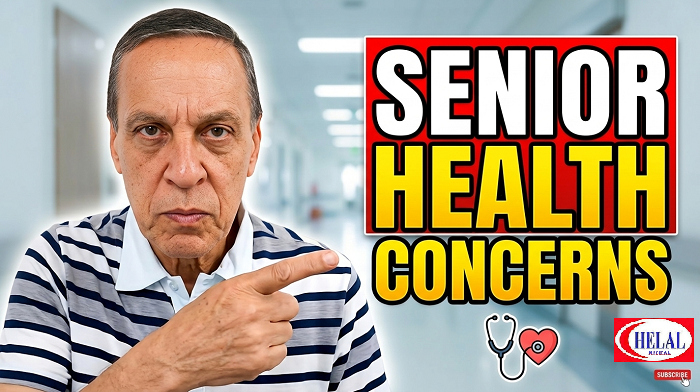
Senior Health Concerns: A Comprehensive Guide for Filipinos and Their Loved Ones
Last Updated on 09/04/2026 by DrHelal, MD Medical Doctor with 50+ Years of Clinical Practice • [Read Full Author Bio & Credentials →]
Ensuring the well-being of seniors is a top priority. The golden years should be a time of comfort, joy and continued engagement. However, they can also bring about unique health challenges.
I’m Dr. Helal from Helal Medical, 71 years old, and belong to the senior group. Here, I use my medical knowledge and my personal experience. Understanding these senior health concerns is the first step towards providing the best health care and support. I see many seniors during my practice, not only patients, but also friends of my age. I follow their daily life patterns and learn from them what the urgent concerns for seniorsare.
In this article, we will explore the most common health issues affecting seniors. We will discuss their prevalence. We will also look into how to proactively manage these issues, with a special focus on the Philippine context.
But what if a simple daily habit could significantly reduce your risk of developing one of these common conditions? This is all about staying informed and proactive.
The Growing Landscape of Senior Health in the Philippines
The Philippines, like many nations, is experiencing a demographic shift with a growing elderly population. This means more families are navigating the complexities of aging, including the associated health considerations. It is essential to recognize senior’s specific needs that range from prevalent diseases to cultural factors.
Common Senior Health Concerns
As individuals enter their senior years, their bodies undergo natural changes that can increase susceptibility to various health conditions. Many seniors manage multiple health issues simultaneously, a phenomenon known as multimorbidity.
1. Chronic Diseases: The Silent Companions
Chronic diseases are the most prevalent health issues among older adults:
- Hypertension (High Blood Pressure):
This is a widespread condition, affecting a significant portion of the senior population. Uncontrolled hypertension is a major risk factor for heart disease, stroke, and kidney problems. Management typically involves medication, dietary changes (like reducing salt intake, which is particularly relevant in Filipino cuisine), and regular monitoring. - Arthritis:
Joint pain and stiffness are common complaints, with osteoarthritis being particularly prevalent. It can significantly impact mobility, making daily activities challenging. Regular, gentle exercise, physical therapy, and pain management strategies are key. - Diabetes Mellitus:
Type 2 diabetes is common in older adults. It is vital to maintain healthy blood sugar levels through diet, exercise, and medication. This helps prevent complications affecting the eyes, kidneys, nerves, and heart. Filipino diets, often rich in carbohydrates, require careful attention to portion control and balanced meals for diabetic seniors. - Heart Disease:
Cardiovascular diseases remain a leading cause of mortality among seniors globally and in the Philippines. Factors like hypertension, high cholesterol, diabetes, and lifestyle choices contribute to their development. Regular check-ups and adherence to prescribed treatments are paramount. - Cancer:
The risk of developing various cancers increases with age. Early detection through regular screenings (mammograms, colonoscopies, prostate exams) is critical for successful treatment outcomes. - Chronic Respiratory Diseases:
Conditions such as Chronic Obstructive Pulmonary Disease (COPD) can affect seniors. Smoking or environmental factors often exacerbate these conditions. Management focuses on symptom relief and improving lung function.
2. Cognitive and Mental Health: Nurturing the Mind
Beyond physical ailments, cognitive function and mental well-being are significant aspects of senior health.
- Cognitive Deterioration and Dementia:
Some memory lapses are normal with age. However, significant changes in memory, thinking, and behavior can indicate serious conditions. These include Alzheimer’s disease or other forms of dementia. Early diagnosis allows for better management and support for both the individual and their family. - Depression and Anxiety:
Mental health conditions are not uncommon in older adults. Factors like loss of loved ones, social isolation, chronic illness, and financial worries can contribute. Approximately 14% of adults aged 70 and over live with a mental disorder [1]. Recognizing signs and seeking professional help is crucial, as these conditions are treatable.
3. Physical and Functional Changes: Maintaining Independence
Aging also brings about changes that can affect physical capabilities and independence.
- Bone and Joint Health:
Osteoporosis, a condition characterized by weakened bones, increases the risk of fractures, especially in women. Falls are a major concern, as fractures can lead to long hospital stays and loss of independence. - Vision and Hearing Loss:
Gradual decline in sight and hearing is a natural part of aging. Regular eye and ear check-ups can help manage conditions like cataracts, glaucoma, and age-related hearing loss. These check-ups improve overall quality of life. - Falls:
The risk of falls increases due to factors like reduced balance, muscle weakness, vision impairment, and medication side effects. Implementing safety measures at home and engaging in balance-strengthening exercises can significantly reduce this risk. - Nutritional Deficiencies:
Changes in appetite, dental problems, and digestive issues can lead to malnutrition. Ensuring seniors have access to nutrient-dense foods and addressing any eating difficulties is important for maintaining strength and vitality.
Prevalence and Impact in the Philippines
A vast majority of seniors worldwide live with at least one chronic condition; statistics show this trend clearly. The Philippines is no exception. Global trends indicate high prevalence rates for hypertension, arthritis, and diabetes among older populations. National statistics for specific conditions can be challenging to pinpoint. Life expectancy is increasing in the Philippines that leads to a larger cohort of seniors.
The impact of these health concerns extends beyond the individual; families often bear the responsibility of caregiving. Understanding these challenges helps in developing supportive community and family structures. Programs offered by the Department of Health (DOH) are vital.
Proactive Health Management for Filipino Seniors
Maintaining good health in later life is a combination of lifestyle choices, regular medical care, and a strong support system.
1. Healthy Lifestyle Choices
- Nutrition:
A balanced diet rich in fruits, vegetables, lean proteins, and whole grains is essential. For Filipino seniors, this might involve incorporating local produce. It may also include traditional healthy dishes. They should be mindful of salt, sugar, and fat content. - Physical Activity:
Regular, moderate exercise like walking, swimming, or tai chi can improve strength, balance, and cardiovascular health. Consult a doctor before starting any new exercise program. - Social Engagement:
Staying socially active through community groups, family gatherings, or hobbies helps combat loneliness and depression, promoting mental well-being. - Adequate Sleep: Ensuring seniors get enough restful sleep is crucial for overall health and cognitive function.
2. Regular Medical Care
- Annual Check-ups:
These are non-negotiable for monitoring chronic conditions, screening for new issues, and adjusting treatment plans. - Vaccinations:
Staying up-to-date with recommended vaccines, such as the flu and pneumococcal vaccines, can prevent serious illnesses. - Medication Management:
Seniors often take multiple medications. It’s crucial to understand each medication. Be aware of its dosage and potential side effects. Seek help from a pharmacist or doctor if possible.
3. Leveraging Philippine Healthcare Resources
Filipino seniors can benefit from various healthcare services available in the country:
- Barangay Health Centers:
These local centers often provide basic health services, consultations, and health education. - PhilHealth:
Understanding and utilizing PhilHealth benefits can significantly reduce out-of-pocket expenses for consultations, hospitalizations, and specific medical procedures [3]. - Hospitals and Clinics:
Accessing specialized care through hospitals and clinics, whether public or private, is essential for managing complex conditions.
Summary
Caring for our senior loved ones involves a holistic approach that addresses their physical, mental, and social well-being. When we understand the common senior health concerns, we can adopt proactive management strategies. This helps them lead healthier, happier, and more fulfilling lives. The growing elderly population in the Philippines requires ongoing awareness. Accessible healthcare is essential. Strong community support systems ensure our elders receive the care and respect they deserve.
References:
🔗 Connect with Helal Medical:
If you suspect that you may have symptoms, Helal Medical can help, offering quick, private, and convenient testing options. You may contact us here: Facebook page, Get Free medical consultation!
This article provides general information. Always consult with a healthcare professional for personalized medical advice.
Discover more from Helal Medical Manila
Subscribe to get the latest posts sent to your email.


