
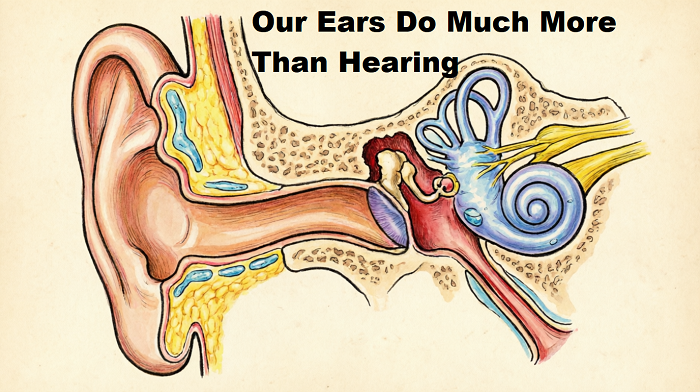
Your Ears Do Much More Than hearing, Protecting Your Balance and Health
Last Updated on 10/23/2026 by DrHelal, MD Medical Doctor with 50+ Years of Clinical Practice • [Read Full Author Bio & Credentials →]
⚖️ Did you know? Your ears do much more than hearing, they also contain your body’s primary balance system! Inside the inner ear are fluid-filled canals that send signals to your brain to help you stay steady on your feet.
As we age, addressing hearing changes early can actually help improve stability, prevent dizziness, and significantly reduce the risk of accidental falls! Taking care of your ears is a simple yet powerful step toward better hearing and balance!
As we age, addressing hearing changes early can actually help improve stability, prevent dizziness, and significantly reduce the risk of accidental falls! Taking care of your ears is a simple yet powerful step toward staying independent, safe, and active every day!
The Roles of Your Ears
I met many patients, at from Helal Medical – Manila, think that ears exist only for hearing. We use them to listen to speech, music, and the sounds of daily life. But they have a second important job: They keep us steady, upright, and balanced as we move, walk or turn your head.
Deep inside each ear, past the part that catches sound, lies a delicate system of fluid-filled tubes and tiny sensors, this is your body’s natural gyroscope. It constantly sends signals to your brain about your position and movement. Together with your eyes and nerves in your feet, this system tells you exactly where you are in space and keeps you from falling.
When people lose hearing, they notice it quickly, but when balance changes slowly, many do not realize their ears are the cause. They may feel unsteady, dizzy, or clumsy and blame it on factors like age, tiredness, or poor eyesight.
How Your Ears Keep You Balanced and Safe
Your balance system has three main loop-shaped canals and two small chambers, all filled with fluid. When you turn your head, the fluid moves, and tiny hair-like sensors inside bend and send messages to your brain. Your brain compares this information with what your eyes see and what your feet feel on the ground. In an instant, it adjusts your muscles to keep you upright.
This system works automatically, every second of the day. It stabilizes your gaze so the world does not blur when you walk or run. It lets you stand on one foot, climb stairs, or get out of bed in the dark without losing your footing. When this part of the ear is healthy, you move with confidence and grace. When it is disturbed, even simple actions can feel difficult or frightening.
The Hidden Links — Ears, Brain, and Whole-Body Health
Your ears also connect to your health in ways you might not expect. The same nerves and blood vessels that serve the ear also support the brain. Problems with hearing or balance can be early warning signs of circulation issues, inflammation, or nerve changes that affect more than just your ears. Keeping ears healthy helps protect your brain and body too.
When hearing fades, people often withdraw from conversation and social life. This isolation can affect mood, memory, and mental sharpness over time. Balance problems increase the risk of falls, which are a leading cause of injury in older age. Protecting your ears is not just about sound, it is about staying active, connected, and independent as the years go by.
Common Things That Harm Both Hearing and Balance
Many habits and conditions damage hearing and balance at the same time. Loud noise is one of the biggest threats it harms the sound sensors and can also disturb the delicate balance system inside. Listening at high volume through earphones, working without protection near loud machines, or attending noisy events all add up to long-term harm.
Infections, untreated allergies, and certain medicines can also affect both functions. High blood pressure and diabetes change blood flow to the ear and may cause gradual damage. As we age, the structures inside the ear naturally wear down, but this process happens much faster when exposed to noise, poor diet, or smoking. Knowing these risks helps you make smarter choices daily.
Simple Daily Steps to Protect Your Ears
You do not need special tools to care for your ears. Keep volume low — a good rule is to set devices below 60 percent of maximum, and limit use to one hour at a time. Wear earplugs when around loud noise, and keep them handy for work, sports, or concerts. Never put cotton buds or small objects deep inside your ear canal — this can push wax in or tear the delicate lining.
Keep blood sugar and blood pressure under control, stay active, and eat balanced meals. If you feel ringing in your ears, difficulty understanding speech, or unsteadiness that lasts more than a few days, see a doctor early. Hearing and balance tests are simple, fast, and often available right in your local clinic. Catching problems early gives the best chance to manage them well.
Summary
Your ears do much more than hearing — they are your body’s built-in balance system, keeping you steady, safe, and oriented wherever you go. They connect to your brain, your mobility, and your ability to stay socially engaged. When they work well, you move through life easily and confidently. When they struggle, quality of life suffers in ways that are not always obvious.
Protect your ears by turning down the volume, blocking loud noise, and never inserting objects deep inside. Manage your general health, and seek help at the first sign of hearing loss, ringing, or unsteadiness. Your ears serve you in ways you may never fully see until they are gone — care for them well, and they will support you for a lifetime.
References
- Ear and hearing care – World Health Organization (WHO)
- Balance Disorders — Causes, Types & Treatment | NIDCD
- National Institute on Deafness and other Communication Disorders
- PhilHealth Claims Guide 2026 | Pinoy Benefits
Contact Us:
❓ Any concerns? We’re always here to care for you and your loved ones!
📩 Send PM to: @helalmedical
📍 Visit us at: https://g.page/helalmedical
📞 Call us: 0966-974-1609 / 0966-581-1455
Read More:
Senior Health Concerns: A Comprehensive Guide for Filipinos and Their Loved Ones
Diabetic Complications: What You Need to Know
Unlock Your Brain’s Potential: Guide for Filipinos
Healthy Aging: Simple Lifestyle Changes for Filipinos
Discover more from Helal Medical Manila
Subscribe to get the latest posts sent to your email.


