
The Functions of Testosterone: The Essential Hormone for Health and Well-being
Last Updated on 08/28/2026 by DrHelal, MD Medical Doctor with 50+ Years of Clinical Practice • [Read Full Author Bio & Credentials →]
Testosterone and its functions, a topic most men know and ask bout. During my practice in Helal Medical – Manila, I observed that this hormone and infectious diseases are the most common concern of young and adult men.
Testosterone is a crucial hormone with vital functions in both men and women. Although too much related to male health, it is also important in women.
This article explores the roles of testosterone. It explains its importance. There are also tips on maintaining optimal levels for overall health and well-being.
Testosterone: The Basics
In men, it is produced mainly in the testes, with a small amount secreted by the adrenal glands. In women, it’s produced in amounts, smaller than in men, in the ovaries and adrenal glands.
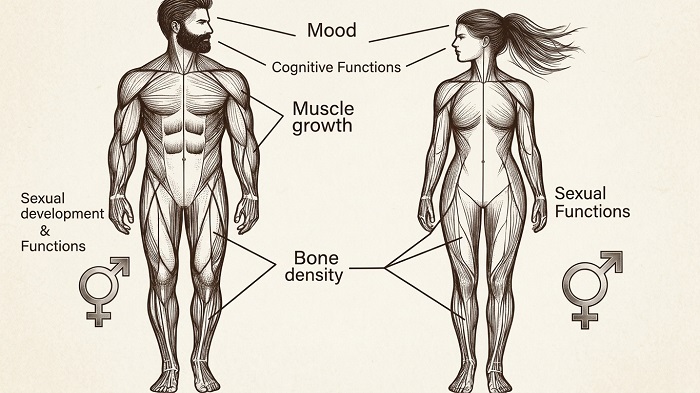
In both, it influences many functions, including physical development, reproductive health, mood regulation, and cognitive abilities. Its deficiency leads to various health issues, with the severity depending on the degree of deficiency.
Testosterons is an important concern for many men, regarding its levels and how it impacts the manly look and performance. With many misconceptions settled deep in their minds! During my early medical school days, one of my friends used to take Proviron tablets daily to promote his beard growth! That was wrong as we learned later.

Testosterone Functions: Health Roles
Testosterone plays a very important, significant role in many functions and many systems of the body. It has a significant role in the maturation and development of the male sexual health, muscles, density of the bone, fat metabolism, and energy. It also has a big role in heart health, mood, and sexual performance. Red blood cells, mental clarity, and overall vitality, that testosterone influences all of them, are key for men’s physical and mental well-being.
1. Testosterone and Male Sexual and Reproductive Functions
This hormone is best known for its role in male sexual development and reproductive health, that’s the reason it’s called male sex hormone. It is important for male reproductive tissue development.
During puberty, testosterone levels markedly increase leading to the development of male secondary sexual characteristics. These include increased muscle and bone mass, voice deepening, and body hair growth. Hair growth affects the manly look.
In adult men, testosterone maintains libido, sperm production, and erection. Low levels lead to decreased sexual drive, erectile issues, and negatively impact fertility.
2. Muscle Mass and Strength
Testosterone hormone has a significant role on muscle growth and strength, it promotes protein synthesis, which is essential for muscle repair and growth. Higher levels leads to more lean muscle mass and strength in men. Therefore it is often linked to athletic performance and physical endurance.
For athletes and bodybuilders, optimal testosterone levels is important for them to gain muscle and enhance recovery. Low testosterone levels can result in reduced muscle mass, increased body fat, and overall decreased physical performance. (How Does Testosterone Affect Muscle Growth? – ScienceInsights)
This hormone’s anabolic effects are the reason some men misuse it in the form of anabolic steroids, neglecting the associated health risks.
3. Bone Density and Health
Testosterone also plays a role in bone health, stimulating bone mineral density and maintaining bone strength, Therfore, it helps reduce the risk of fractures.
As men age testosterone levels decline, with resulting a decrease in bone density, leading to conditions like osteoporosis. Therefore, adequate testosterone levels are crucial for maintaining strong bones.
Studies have shown that testosterone replacement therapy can help improve bone density in men with low testosterone levels, thereby reducing the risk of fractures and enhancing quality of life. (Testosterone Replacement Therapy and Bone Mineral Density in Men…)
4. Mood and Mental Health
Testosterone is not only essential for physical health, it’s also important for mental well-being. It is linked to mood and cognitive functions. Low levels leads to symptoms of depression, irritability, and fatigue. This can significantly impact the quality of life and lead to a lack of motivation. Also, it can cause low energy levels and difficulty concentrating. (Testosterone — What It Does And Doesn’t Do – Harvard Health)
Research suggests that testosterone has neuroprotective effects and plays a role in cognitive functions, including memory and spatial ability. Maintaining balanced testosterone levels is crucial for mental clarity, emotional stability, and overall mental health. (Neuroprotective Role of Steroidal Sex Hormones: An Overview)
5. Fat Distribution and Metabolism
Testosterone function includes proper fat distribution in the body, leading to a leaner look in men. It helps regulate fat metabolism, promotes fat loss and prevents fat accumulation. Fat accumulation is linked to various metabolic disorders like type 2 diabetes and cardiovascular disease, improving testosterone levels can help.
Men with low testosterone experience an increase in body fat, particularly around the abdomen. This shift can lead to metabolic syndrome: increased waist circumference with high blood pressure, blood sugar levels, and and cholesterol levels. Maintaining healthy testosterone levels is essential for metabolic health and preventing obesity-related conditions.

6. Cardiovascular Health
The relationship between testosterone and cardiovascular health is complex and not yet fully understood. Some studies suggest that low testosterone levels are linked to an increased risk of cardiovascular diseases, including heart attacks and strokes. Testosterone is believed to play a role in red blood cell production and the dilation of blood vessels, which are essential for healthy blood circulation.
However, the use of testosterone replacement therapy (TRT) in men with heart disease has been controversial, with conflicting evidence regarding its safety and efficacy. While maintaining normal testosterone levels is likely beneficial for cardiovascular health, TRT should be approached with caution and under medical supervision.
Testosterone Functions In Women
Although testosterone is considered a male hormone, it is also important in women, where it is produced in the ovaries and adrenal glands and plays a role in ovarian functions, bone strength, and libido. Low testosterone levels in women can lead to decreased sexual drive, fatigue, and mood changes.
However, too much testosterone in women can result in conditions like polycystic ovary syndrome (PCOS), characterized by irregular menstrual cycles, acne, and excessive hair growth. Maintaining a balance is crucial for women’s health and well-being.
Maintaining Healthy Testosterone Levels
Several factors can influence testosterone levels, including age, diet, lifestyle, and overall health. Here are some tips for maintaining healthy testosterone levels:
1. Healthy Lifestyle Options
Regular Exercise, particularly resistance and high-intensity interval training (HIIT), can help boost testosterone levels.
Healthy Diet: A diet rich in lean proteins, healthy fats, and whole grains can support hormone production. Micronutrients like zinc and vitamin D are particularly important for testosterone synthesis.
Adequate Sleep and Stress Management: Poor sleep quality and duration are linked to lower testosterone levels. Aim for 7-8 hours of quality sleep per night to support hormone health.
Chronic stress elevates cortisol levels, which can suppress testosterone production. Practicing stress-reducing techniques like meditation, yoga, and deep breathing can help.
Limit Alcohol and Avoid Smoking: Excessive alcohol consumption and smoking can negatively impact testosterone levels. Moderation is key to maintaining hormone balance.
2. Regular Medical Check-ups
Monitoring testosterone levels, especially as you age, can help detect and address any hormonal imbalances early on.
Conclusion
Testosterone is a powerful hormone with wide-ranging effects and functions on the body and mind. Its functions go beyond sexual health, influencing muscle and bone strength, mood, metabolism, and even cardiovascular health. Understanding and maintaining healthy testosterone levels is crucial for overall well-being in both men and women. Adopt a healthy lifestyle. Be proactive about hormone health. This vital hormone can then continue to support your health throughout your life.
Read More About Testosterone:
Best Testosterone Natural Booster – Testosil
Testosterone Role in Libido in Men and Women: for Medical Practitioners
Testosterone
Testosterone Hormone Deficiency and High Levels Health Risk: Treatment Options | Part 2
Testosterone disorders, symptoms and Diagnosis — Guide for Filipinos
Discover more from Helal Medical Manila
Subscribe to get the latest posts sent to your email.


